Residential vs Commercial Overview
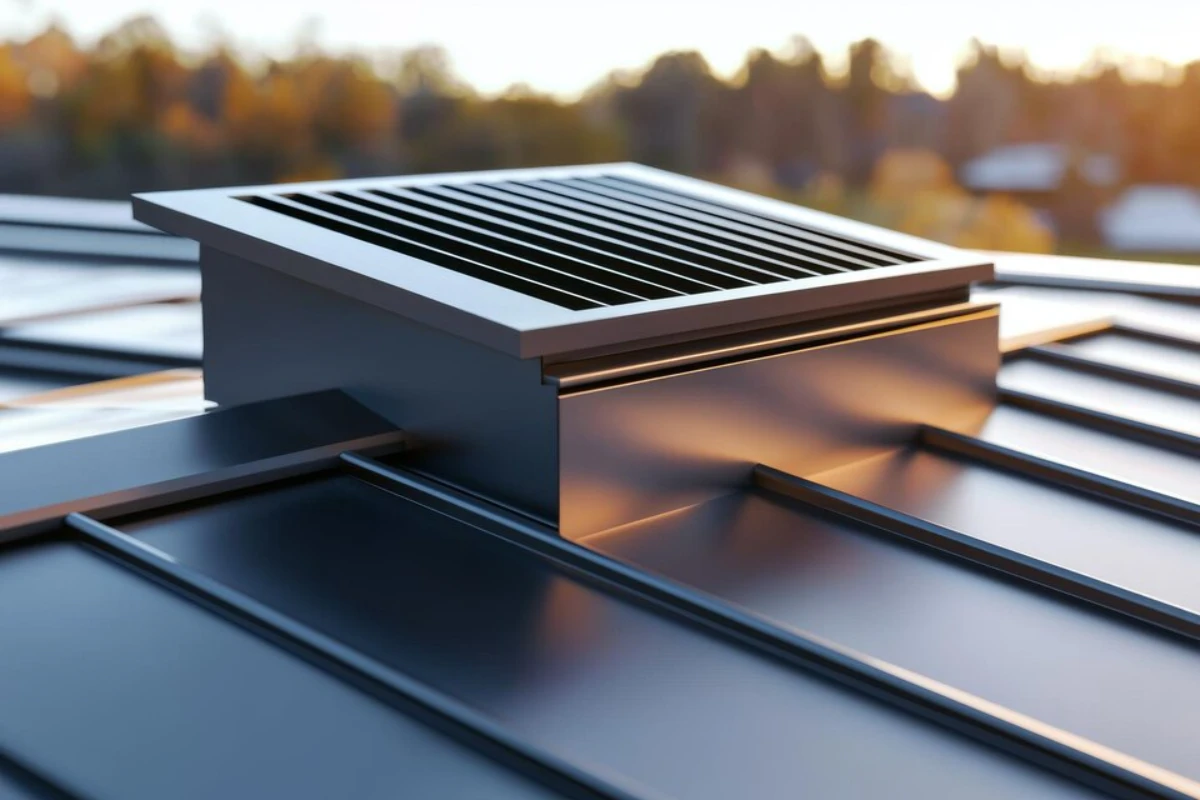
Residential and commercial metal roofing differ in several ways, and a Holliday Park homeowner benefits from the overview. Here is the picture.
The Same Durable Material
Both residential and commercial metal roofing use durable metal, sharing the material's benefits of longevity and weather resistance, so the foundation is the same. The material is shared. Both use metal. They share its benefits. The foundation is common. They differ in application.
Different Buildings
Residential metal roofing goes on homes, while commercial metal roofing often goes on larger buildings like businesses and warehouses, so the buildings differ. The buildings differ. Residential is on homes. Commercial is on larger buildings. They serve different structures. The application varies.
Different Slopes
Residential roofs are typically pitched, while commercial roofs are often low-slope or flat, which influences the roofing systems used. The slopes differ. Residential is pitched. Commercial is often low-slope. It affects the systems. It is a key difference.
Different Priorities
Residential roofing emphasizes both performance and appearance, while commercial roofing often emphasizes function and coverage, so the priorities differ. The priorities differ. Residential weighs looks. Commercial weighs function. They balance differently. It shapes the choice.
Overview, in Short
Residential and commercial metal roofing both use durable metal but differ in application, residential on pitched home roofs and commercial often on the low-slope or flat roofs of larger buildings, with different slopes, systems, and priorities, residential weighing appearance and commercial weighing function.
One point worth making clear for Holliday Park homeowners is that while you may hear about both residential and commercial metal roofing, the two, although they share the same fundamentally durable material and its core benefits, differ in ways that come down to the buildings they go on, and as a homeowner it is residential metal roofing that is relevant to you. The starting point is what they have in common, both residential and commercial metal roofing use durable metal and share its key benefits of longevity, weather resistance, and low maintenance, so the underlying material and its advantages are the same. The differences arise from the application. Residential metal roofing goes on homes, which typically have pitched roofs with enough slope to shed water, whereas commercial metal roofing often goes on larger buildings like businesses and warehouses, which frequently have low-slope or flat roofs, large expanses with minimal pitch. This difference in slope is significant, because it influences which roofing systems are suitable, steeper residential roofs and low-slope commercial roofs have different requirements for shedding water and for detailing. The systems themselves reflect this, residential metal roofing includes systems like standing seam and metal shingles that suit homes, while commercial roofing includes systems suited to large, often low-slope buildings, such as certain standing seam and structural panel systems. Standing seam, interestingly, is used in both worlds, with versions suited to each application. The priorities differ too, residential roofing places real emphasis on appearance alongside performance, because a home's roof affects its curb appeal, while commercial roofing often emphasizes function and coverage with appearance a lesser concern, though both value durability highly.
It also helps Holliday Park homeowners to focus on the practical takeaways from the residential versus commercial distinction, because once you understand that residential metal roofing is your relevant world, the picture becomes simpler and more useful. The first takeaway is simply that residential metal roofing is your focus, the systems and choices designed for homes, rather than the commercial systems built for large, often low-slope buildings. The second is that the residential systems available to you, such as standing seam and metal shingles, are specifically suited to homes, and they are designed to balance the two things homeowners care about, namely performance and appearance, on your pitched home roof. The third is that, for a home, appearance genuinely matters alongside performance, because the roof is a major visible element of the house that affects its overall look and curb appeal, which is why choices like the style of the system, the color, and the finish are worth considering carefully as part of selecting your roof, in a way that would be much less of a priority on a typical commercial building. The fourth, which ties it together, is that working with a contractor who is experienced specifically in residential metal roofing is valuable, because they understand the systems, the choices, and the considerations that suit homes, and can help you arrive at the right residential metal roof for your particular home, one that is suited to your roof's slope and design and that strikes the right balance between performing well and looking good. So as a homeowner, you can set aside the commercial side of the picture and concentrate on getting the residential metal roof that fits your home.
One point worth making clear for Holliday Park homeowners is that while you may hear about both residential and commercial metal roofing, the two, although they share the same fundamentally durable material and its core benefits, differ in ways that come down to the buildings they go on, and as a homeowner it is residential metal roofing that is relevant to you. The starting point is what they have in common, both residential and commercial metal roofing use durable metal and share its key benefits of longevity, weather resistance, and low maintenance, so the underlying material and its advantages are the same. The differences arise from the application. Residential metal roofing goes on homes, which typically have pitched roofs with enough slope to shed water, whereas commercial metal roofing often goes on larger buildings like businesses and warehouses, which frequently have low-slope or flat roofs, large expanses with minimal pitch. This difference in slope is significant, because it influences which roofing systems are suitable, steeper residential roofs and low-slope commercial roofs have different requirements for shedding water and for detailing. The systems themselves reflect this, residential metal roofing includes systems like standing seam and metal shingles that suit homes, while commercial roofing includes systems suited to large, often low-slope buildings, such as certain standing seam and structural panel systems. Standing seam, interestingly, is used in both worlds, with versions suited to each application. The priorities differ too, residential roofing places real emphasis on appearance alongside performance, because a home's roof affects its curb appeal, while commercial roofing often emphasizes function and coverage with appearance a lesser concern, though both value durability highly.
It also helps Holliday Park homeowners to focus on the practical takeaways from the residential versus commercial distinction, because once you understand that residential metal roofing is your relevant world, the picture becomes simpler and more useful. The first takeaway is simply that residential metal roofing is your focus, the systems and choices designed for homes, rather than the commercial systems built for large, often low-slope buildings. The second is that the residential systems available to you, such as standing seam and metal shingles, are specifically suited to homes, and they are designed to balance the two things homeowners care about, namely performance and appearance, on your pitched home roof. The third is that, for a home, appearance genuinely matters alongside performance, because the roof is a major visible element of the house that affects its overall look and curb appeal, which is why choices like the style of the system, the color, and the finish are worth considering carefully as part of selecting your roof, in a way that would be much less of a priority on a typical commercial building. The fourth, which ties it together, is that working with a contractor who is experienced specifically in residential metal roofing is valuable, because they understand the systems, the choices, and the considerations that suit homes, and can help you arrive at the right residential metal roof for your particular home, one that is suited to your roof's slope and design and that strikes the right balance between performing well and looking good. So as a homeowner, you can set aside the commercial side of the picture and concentrate on getting the residential metal roof that fits your home.
Get Residential Metal Roofing
Holliday Park Metal Roofing installs residential metal roofing across Holliday Park and Marion County. Call {phone} for a free consultation on a metal roof suited to your home.